
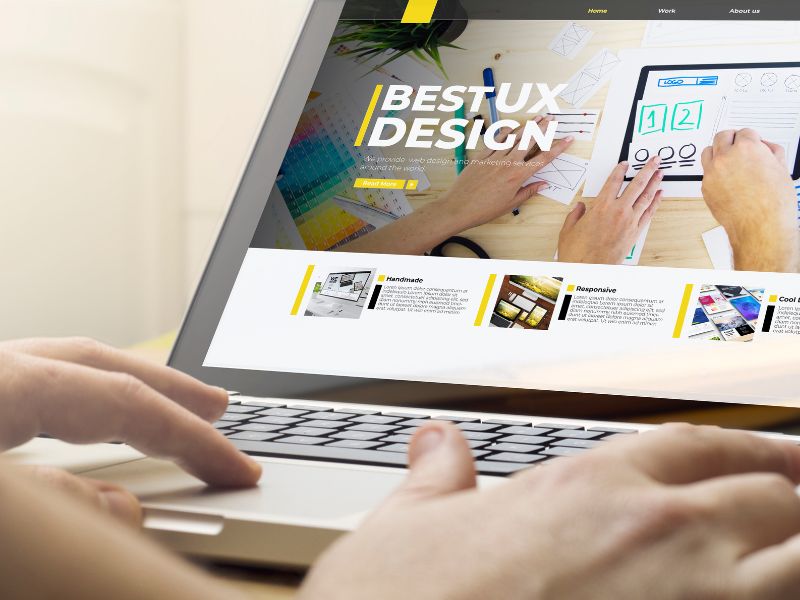
A website builder can be a reasonable choice when the requirements are straightforward and someone in the business has time to manage the work. A professional designer becomes more useful when planning, content, brand expression or functionality requires specialist attention. The decision should follow the business’s needs and resources.
Assess the task and the time available
- Can you explain your offer and prepare the content yourself?
- Does the tool support the pages, forms and functions you actually need?
- Who will check mobile use, accessibility and enquiry delivery?
- Who will maintain the content and handle problems after launch?
A simple editing interface does not remove the work of writing, selecting images and deciding how customers should move through the site. Include your own time when considering cost.
Compare the full cost
Check subscription renewals, domain charges, optional applications, email, paid assets and any transaction-related costs. Confirm which features require a paid plan. Compare those recurring commitments with a designer’s written scope and any separately agreed hosting, support or maintenance.
Avoid comparing a free demonstration with a complete commissioned website. Equally, do not assume that a higher-priced service is justified without a clear explanation of the work.
Understand control and portability
Check who owns the domain and account, how content can be exported and what moving away would involve. Portability varies by platform, plan and implementation. Do not rely on a blanket claim that every builder traps your website, or that every WordPress project can be moved without practical work.
Ask how forms, customer data, product information and paid licences would be handled if you changed providers. Refer to the current vendor documentation before choosing a particular platform.

Separate DIY from template design
A professionally delivered website may use an existing template or a bespoke layout. A DIY site may still require paid tools. These are different choices. Our template-versus-bespoke guide explains the design starting point; this guide concerns who takes responsibility for the overall work.
Choose based on a written list of requirements
DIY may suit a small, uncomplicated presence with available in-house time. Seek specialist help where a complex offer, migration, integrations or a demanding customer journey needs planning. You can also agree a limited scope of professional assistance rather than commissioning unnecessary features.
Prepare a project brief, read the pricing and scope guide, or explore the website design service. contact SDDS if you would like to discuss the fit of your requirements.